


The Best Pull Toys for Babies and Toddlers: More Than a Trend
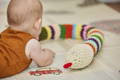
What Exactly Is a Pull Toy?
What Is the Difference Between Push and Pull Toys?
Why Are Pull Toys More Than a Trend?
Gross Motor Strength and Balance
Dual-Tasking and Attention
Cause and Effect
Fine Motor Skills and Grip Strength
Hand-Eye and Spatial Coordination
Independent and Imaginative Play
Concentration and Persistence
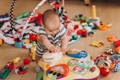
When Can Babies and Toddlers Start Using Pull Toys?
What Makes a Good and Safe Pull Toy?
- Material: Look for solid, non-toxic wooden pull toys or food-grade silicone products. Surfaces should be smooth, durable, and free from peeling paint or splinters.
- Cord: Choose a short, thick string that is easy to hold. Pull toys with cords require active adult supervision. Store them out of reach after play rather than leaving them beside a cot or in an unsupervised play space.
- Wheels: Wheels should turn smoothly across the floors used at home. A toy that catches every ten centimetres teaches frustration more effectively than coordination.
- Weight: The toy should be light enough to pull but stable enough to stay upright. Very light toys flip constantly, while heavy toys can be difficult for small hands to manage.
- Size: Parts should be large, secure, and suitable for the child’s age. The U.S. Consumer Product Safety Commission’s small-parts guidance explains why small detachable components can present a choking hazard to young children.
- Design: Calm, purposeful designs allow the child to control the play. Lights and automatic sounds can distract from the movement the toy is meant to encourage.
- Play value: The best pull toys do more than roll. Sorting, stacking, matching, or imaginative features can extend their usefulness after the novelty of towing them down the hallway fades.
The Best Pull Toys for Babies and Toddlers
Stage 1: Early Pulling Skills for Babies

Montessori Silicone Pulling Toy
Montessori Baby Tissue Box
Stage 2: A Push-and-Pull Toy for New Walkers
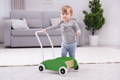
Montessori Roaring Roller
Stage 3: Pull Toys for Toddlers Confident Walkers
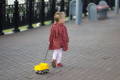
Montessori Pulling Snail
Montessori First Steps Bundle
DIY and Household Pulling Play
Basket Tow
Cloth-Pull Box
Scarf-on-a-Ring Pull
Soft Basket Delivery Game
Rolling Canister
How Can Parents Get the Most From a Pull Toy?
Why Simple Pull Toys Continue to Matter
Frequently Asked Questions
What Is the Difference Between a Push Toy and a Pull Toy?
At What Age Can a Toddler Use a Pull Toy?
Most toddlers become ready for wheeled pull toys at around 15 to 18 months. Readiness matters more than the exact age, so wait until the child can walk, stop, and turn steadily without support.
What Skills Do Pull Toys Help Develop?
Pull toys support gross and fine motor control, balance, grip strength, hand-eye coordination, spatial awareness, cause-and-effect thinking, concentration, and imaginative play. The child practises several of these skills simultaneously while moving and controlling the toy.
Are Pull Toys Montessori?
Pull toys fit Montessori principles when they support purposeful movement, concentration, coordination, and self-directed play. Simple wooden pull toys are especially well suited because the child creates the movement instead of watching the toy perform automatically.
Can I Make a Pull Toy at Home?
Yes, parents can create simple pulling play with a light basket, large cloths, a wooden ring, or a securely closed canister. Use short cords, large components, sturdy materials, and constant adult supervision, then store the activity out of reach when play ends.

Free Delivery
Over $80

Easy Returns
No questions asked

Unbeatable Warranty
1-year ++ warranty
 Secure CheckoutWorld’s most secure payment method