


Montessori Self-Correction: How Control of Error Builds Independent Learners
Imagine your child struggling to fit a puzzle piece into place. They try once, then again, turning it slowly until, click, it fits. No one told them how. No one corrected them. But they figured it out. That’s self-correction, and in Montessori, it’s everything.
Montessori education is built around the idea that children can recognize and correct their mistakes. Instead of waiting for an adult to step in, they’re empowered to solve problems, try again, and keep going.
So today, we’ll see clearly what “control of error” means, how Montessori materials support it, and how parents can bring this same spirit of independence and resilience into daily life.
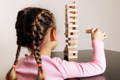
What Is Self-Correction in Montessori?
In most traditional classrooms, mistakes are pointed out by an adult. If we follow the Montessori method, the materials and the child’s observation do that job instead. This shift in control gives children the space to learn through trial and error, without fear or shame.
The Concept of “Control of Error”
Montessori materials are thoughtfully designed to include what’s called a control of error, which is a built-in way for the child to notice when something isn’t quite right.
Instead of needing someone to say “that’s wrong,” the material itself gives feedback. This allows children to self-correct, building deeper concentration and inner motivation.
There are a few kinds of control of error control:
- Mechanical control of error: The most obvious kind. A puzzle piece only fits in one spot. A knobbed cylinder won’t fit unless it’s placed correctly. The feedback is physical and immediate.
- Perceptual control of error: This relies on the child’s senses. With materials like the Pink Tower, a child sees or feels that the blocks are out of order. It encourages them to slow down, notice, and adjust.
- Social or adult-based control of error: Sometimes, especially with practical life skills, the adult quietly observes. Instead of correcting, they may re-present the task later, without pointing out the mistake. The message is: “I trust you’ll get it. I’m here when you need me.”

Why Self-Correction Matters
To a child, being able to fix their own mistake isn’t just a skill. It’s a powerful emotional experience. Self-correction teaches them they are capable, trusted, and safe to explore without fear of being “wrong.” That mindset shapes how they learn for life.
Builds Confidence Without Shame
When children aren’t constantly corrected by an adult, they start to trust themselves. They learn that it’s okay to make mistakes, and more importantly, that they can recover from them. This quiet success builds real confidence.
Instead of associating errors with embarrassment, children feel pride in figuring things out on their own. Over time, this reduces fear of failure and makes them more willing to try new challenges.
Supports Independent Thinking
Self-correction trains the brain to problem-solve. Children begin to ask themselves: Does this fit? Does it look right? What happens if I try it another way? This fosters perseverance, focus, and a habit of thinking through problems without giving up.
Building independence through play starts with the right guidance and tools. Explore these articles on:
This way, you’ll see practical tips and age-appropriate ideas that make learning and growing fun for your little one.
Encourages a Growth Mindset
When mistakes aren’t punished or quickly fixed, children learn that errors are a normal part of learning, not something to avoid. That’s the core of a growth mindset: believing effort matters more than perfection.
This mindset supports emotional resilience. It helps children stick with challenges, bounce back from frustration, and take pride in the process, not just the outcome.

Examples of Self-Correcting Montessori Materials
To a child, a Montessori material doesn’t say “you’re wrong.” It simply doesn’t work until it’s done right. That’s the quiet power of control of error. It helps children reflect, adjust, and try again without needing an adult to step in.
Let’s look at how self-correction is built into some of the most common Montessori materials, grouped by area of development.
Sensorial and Math Materials
These materials are often a child’s first introduction to self-correction. They’re hands-on, concrete, and designed to highlight differences in size, shape, or number, so errors are easy to spot and satisfying to fix.
Some of these materials include:
- Cylinder blocks: Each wooden cylinder is a different diameter and height, and each fits only one corresponding hole. When a piece doesn’t fit, the child knows it instantly and adjusts.
- Spindle boxes: Children place wooden spindles into compartments labeled with numbers. If they miscount, they’ll end up with too many or too few.
- Pink tower: Made of ten pink cubes in descending size, this Montessori material teaches sequencing and visual discrimination. If the tower looks off-balance or the sizes are mixed, the child sees the problem and corrects it. No instructions needed.

Language Materials
Language activities offer a more abstract kind of self-correction. Instead of fitting shapes, children are working with sounds, symbols, and meaning, but the feedback is still there.
Some great Montessori language materials include:
- Three-part cards: Children match images with written labels, then check their work against a control card. If something doesn’t line up, they try again.
- Moveable alphabet: With wooden letters, children build words phonetically. If the word doesn’t look or sound right, they recognize it and adjust.
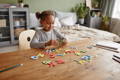
Practical Life Activities
While not many people understand that, everyday tasks are rich with opportunities for self-correction. They help children gain independence while practicing care, control, and coordination.
So what are these tasks?
- Pouring water: If a child spills, they wipe it up and try again. No scolding, no pressure. Just a real-world task with a clear outcome and a built-in lesson in control.
- Buttoning frames: These tools isolate one skill, like fastening buttons or zippers, so children can master it through repetition. If a button is skipped or misaligned, the fabric puckers.

What Happens When a Child Makes a Mistake?
In a Montessori environment, mistakes aren’t failures, they’re part оf the learning process. When something goes wrong, the child isn’t corrected. Instead, they’re given the time and space tо figure out what happened and how tо fix it.
No Adult Correction Needed
When a child is working with self-correcting materials, they don’t need an adult to point out what went wrong. The material itself provides the feedback. A block that doesn’t fit, a tower that wobbles, or a spill from an overfilled cup are like gentle signals that invite the child to pause and try again.
Teachers observe silently. They resist the urge to jump in, even when the mistake is obvious.
Mistakes Become Learning Moments
Because there’s no external pressure to “get it right,” children feel safe to keep trying. Many will return to the same work again and again, not out of frustration, but because they’re genuinely engaged in the process.
This repetition leads to mastery, but it also builds something deeper: intrinsic motivation. Children learn to value the effort, not just the result.

The Role of Adults in Supporting Self-Correction
Even though Montessori encourages children to guide their own learning, adults still play a crucial role. It’s not about correcting or controlling. It’s about preparing, observing, and modeling the right mindset.
Creating the Right Environment
Children can only self-correct if the environment allows it. That means giving them access to materials that are scaled to their size, easy to use, and thoughtfully organized. A clutter-free, predictable space helps children focus on the task at hand and recognize when something isn’t working.
It also means stepping back. When a child is engaged in a task, you need to resist the urge to step in, even if they’re struggling. Let them work through the challenge unless safety is an issue.
Observing Without Judging
Instead of correcting mistakes, Montessori adults observe. They watch how the child engages with a material and where they may need support. If a child repeatedly struggles, the teacher might quietly re-present the activity another day, without calling attention to the earlier mistake.
This non-judgmental observation builds trust. The child learns: I am capable. I can try again. I don’t need someone to fix it for me.
Modeling a Friendly Attitude Toward Mistakes
Children are always watching. When they see a parent or teacher make a mistake, laugh a little, and try again, it teaches them that errors aren’t something to be ashamed of.
Simple comments like “Oops, I used the wrong cup. Let me try again,” or “I made a mistake, but now I know how to fix it” go a long way. They normalize the process of learning through doing, not just getting it right the first time.

Long-Term Benefits of Self-Correction
The ability to self-correct doesn’t just help children in the classroom. It actually lays the foundation for lifelong learning. Over time, this skill shapes how kids think, how they handle challenges, and how they relate to themselves and others.
Confidence and Independence
When children regularly figure things out оn their own, they begin tо trust themselves. They don’t need constant approval оr instruction tо keep going.
This quiet confidence carries over into everyday life and tasks like tying shoes, solving puzzles, and they learn tо speak up when something feels off.
Critical Thinking and Problem Solving
Self-correction encourages children to slow down and reflect. They begin to analyze problems, ask themselves questions, and test solutions. This kind of thinking builds logic, patience, and adaptability, all of which are skills that support success in academics and beyond.
Motivation and Emotional Growth
When success comes from effort, not just adult praise, children begin to value the process. They take pride in their work and develop internal motivation. This builds emotional stability and a sense of ownership over their learning.
And perhaps most importantly, they learn that mistakes are not personal failures. They’re part of growth.

How Parents Can Support Self-Correction at Home
You don’t need a fully equipped Montessori classroom to support self-correction. A few thoughtful choices and a bit of patience can go a long way in helping your child develop independence and confidence at home.
Create a Low-Pressure Environment
Let your child take their time with tasks. Avoid rushing or stepping in too quickly. When kids have space to explore without fear of being corrected, they’re more likely to try, fail, and try again.
Choose Materials That Offer Clear Feedback
Simple toys like puzzles, stacking blocks, or matching games naturally include a control of error. Look for activities where children can tell on their own if something doesn’t work, and give them time to figure it out.
Let Struggle Be Part of the Process
When a child says, “I can’t do it,” it’s tempting to jump in and help. But often, the best thing you can do is pause. Offer encouragement like “I see you’re working hard on that,” and let them keep trying. The moment they succeed on their own is when the real learning happens.
Show Empathy, Not Correction
When mistakes happen, stay calm and supportive. A simple, “That didn’t go as planned. Want to try again?” goes further than pointing out what went wrong.
And when your child does fix something without help, celebrate it. “You figured that out all by yourself!” reinforces the value of perseverance and self-trust.
Conclusion
Montessori self-correction teaches children that learning isn’t about getting it right the first time. It’s about discovery, effort, and growth. With the right tools and trust, children begin to take ownership of their learning and build a sense of confidence that lasts.
Montessori materials are a powerful part оf that process. If you’re curious about how that shows up іn unexpected ways, check out these unconventional Montessori toys that support independence.
At home, your presence, patience, and willingness to let go of perfection are what make this process possible. When you give your child room to try, they’ll show you just how much they can do.

Free Delivery
Over $80

Easy Returns
No questions asked

Unbeatable Warranty
1-year ++ warranty
 Secure CheckoutWorld’s most secure payment method