


Sensory Bags for Babies: Safe, Mess-Free Sensory Play That Supports Development
Babies are simple, or so they say… Well, truth be told, they learn by touching, watching, and moving everything they can reach. That’s why sensory play for babies matters so much early on.
But let’s be honest: a lot of baby sensory activities are messy, chaotic, or just not ideal when your baby is still exploring with their mouth.
This is where a sensory bag is a sweet spot. It gives your baby something to press, poke, and watch. All that without loose pieces, spills, or stress.
Think of it as mess-free sensory play that actually works in real life. Simple, contained, and safe. It’s one of the easiest ways to support development without overcomplicating things.

What Is a Sensory Bag?
A sensory bag is a sealed pouch filled with different materials that babies can press, squish, and explore safely.
It’s a good way to introduce sensory play for babies without the mess or risk of loose items. Inside the bag, you’ll usually find things that move, shift, or feel interesting when touched. This gives your baby something to watch and interact with while everything stays fully contained.
The biggest advantage is how practical it is.
A well-made sensory bag is:
- Mess-free, so nothing spills or scatters
- Safe (with supervision), since there are no small pieces to grab
- Portable, making it easy to use during floor play, tummy time, or even when you’re out
For babies who still explore with their hands and mouth, sensory bags for babies are a great starting point. They offer the benefits of early sensory exploration without the stress that comes with more advanced setups like bins or trays.
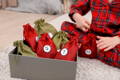
When to Introduce Sensory Bags
You can introduce a sensory bag as early as 3–5 months, but don’t expect much action just yet. At this stage, babies are starting to swipe, bat, and reach, and their head control is improving.
If you place a sensory bag during tummy time, they might touch it by accident, stare at it, or give it a random smack. It’s more about early exposure than real interaction.
Around 5–6 months is where things get interesting. This is the sweet spot for sensory bags for babies. Reaching becomes intentional, hand–eye coordination improves, and babies begin to understand simple cause and effect, press the bag, and something moves. That’s when it starts to click.
By 6–9 months, you’ll see the full payoff. Babies press, poke, explore textures, repeat actions, and stay engaged longer. This is when a sensory bag delivers real developmental value, not just entertainment.
How Sensory Bags Support Development
A sensory bag supports your baby’s development by building fine motor skills, improving coordination, and helping them understand how their actions affect the world around them.
Fine Motor Skills
When your baby presses, pokes, or squeezes a sensory bag, they’re building hand strength and control. These small, repeated movements help develop the muscles needed later for grasping toys, self-feeding, and eventually writing.
Simple actions like pushing gel or moving objects inside the bag give just enough resistance to make those tiny hands work. According to the American Academy of Pediatrics, early play that involves reaching and manipulating objects supports healthy motor development.
Hand–Eye Coordination
A sensory bag naturally encourages babies to look, reach, and adjust their movements. They see something move inside the bag, then try to touch it, and slowly, that connection improves.
This is how hand–eye coordination starts to form. Watching and following objects is a key early skill, and activities like this support visual tracking. Research from Zero to Three highlights how simple play interactions help babies connect what they see with how they move.
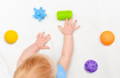
Sensory Processing
Babies are constantly learning how the world feels, looks, and responds. With sensory bags for babies, they can safely explore different textures, soft, squishy, or slightly firm, without being overwhelmed.
The visual movement inside the bag also adds another layer of stimulation. This kind of controlled exposure helps babies process sensory input more effectively. Sensory play helps children understand and organize information from their environment.
Cause-and-Effect Learning
This is where things really click. Your baby presses the bag, and something moves. They shake it, and the contents shift. That simple connection, action leads to reaction, is the foundation of problem-solving.
A sensory bag makes cause-and-effect easy to see and repeat, which is exactly how babies learn best. Experts at Harvard Center on the Developing Child explain that these early interactions build the brain’s ability to understand how actions influence outcomes.
Focus and Attention
Unlike fast, noisy toys, sensory bags tend to slow things down. The movement inside is gradual, which encourages babies to watch, think, and stay engaged a bit longer. You’ll often notice them repeating the same action, press, watch, repeat.
That’s not boredom, that’s learning. This kind of focused, repetitive play supports early attention skills. As noted by Raising Children Network, simple, calm activities help babies develop concentration over time.
Types of Sensory Bags for Babies
There are lots of different sensory bags for babies. Different materials create different movements, textures, and experiences, which means each type supports your baby’s development in a slightly different way.
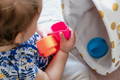
Oil and Water Sensory Bags
This type of sensory bag uses two liquids that don’t mix, which creates that slow, floating “lava lamp” effect babies love to watch. When your baby presses the bag, the oil and water shift and separate, making the movement more visible and interesting.
That gentle, flowing motion is great for visual tracking. Babies follow the shapes as they move, which helps develop early eye coordination. It also naturally sparks curiosity, because the reaction isn’t instant or predictable. For sensory play for babies, this kind of slow movement keeps them engaged without overwhelming them.
Gel-Based Sensory Bags
A gel-based sensory bag has a thicker, more resistant texture, usually made with a clear base like hair gel. Instead of quick movement, everything inside shifts slowly, which gives your baby more control when they press or push.
That resistance is what makes it valuable. Babies have to use a bit more pressure, which helps build hand strength and improve fine motor control. It also makes movements easier to follow, so your baby can connect what they do with what they see, an important step in early baby sensory activities.
Dry Texture Sensory Bags
Dry texture sensory bags use materials like rice, pasta, or shredded paper to create a completely different experience. Instead of fluid movement, babies feel tiny pressure and hear subtle sounds when they press or tap the bag.
This combination of texture and sound is a core sensory play for babies. It encourages pressure exploration, how hard to press, what happens when they tap, and how the contents move. It’s a simple way to introduce variety without moving into messy, loose materials.
Themed Sensory Bags
Themed sensory bags for babies group similar items together to create a simple, focused experience. You might see nature-based bags with leaves or seeds, color-based ones with objects in the same shade, or simple object mixes with a few familiar shapes.
This kind of setup adds more than just visual variety. It introduces early categorization, and your baby starts noticing patterns, colors, and similarities, even if they can’t name them yet. At the same time, the clear theme keeps their attention longer, making baby sensory activities feel more engaging without adding complexity.
Smell-Based Sensory Bags
Smell-based sensory bags for babies are one of those simple ideas most people skip, but they actually add something different. You can include gentle scents like herbs (mint, lavender) or a bit of citrus peel to give the bag a light, natural smell.
It’s not about making it strong. Just enough for your baby to notice when they get close. This helps build early scent awareness, which is part of how babies learn about the world. It also makes sensory play for babies feel a bit more interesting without adding any mess or complexity.
Sensory Bags vs Sensory Bins: What’s the Difference?
If you’ve looked into baby sensory activities, you’ve probably seen sensory bins everywhere, and they can be great. But for younger babies, they’re often a bit… ambitious.
Sensory bags for babies are the beginner version. Everything is sealed, nothing spills, and there are no loose pieces to grab or mouth. You still get the benefits of sensory play for babies, just without the stress.
Sensory bins, on the other hand, involve loose materials like rice, water, or small objects. That means more mess, more cleanup, and a higher need for supervision. They work better once your baby is older and less likely to put everything straight into their mouth.
So think of it this way: a sensory bag can be your starting point, simple, safe, and actually manageable in real life.
Safety Considerations for Sensory Bags
Sensory bags for babies are safe, but only if you treat them like any other baby activity: simple setup, full attention.
First rule: always supervise. Even though everything is sealed, babies are strong and curious. They press, pull, and sometimes try to chew on things. That’s normal, but it means you should always be nearby.
Make sure the sensory bag is sealed properly. No weak edges, no gaps. If you’re using liquids, double bag it. It takes 10 extra seconds and saves you from a mess (and a potential safety issue).
Also, keep it simple inside. Avoid sharp objects or anything that could break into small pieces. Remember, babies, explore with their hands and their mouths, so everything should be soft, secure, and contained.
The reason parents like sensory play for babies in this format is exactly this: it’s a safer alternative to loose materials. You get the learning benefits without the stress of constant cleanup or worrying about what ends up where.
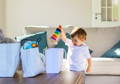
How to Use Sensory Bags in Daily Play
This is the part parents like most: you don’t have to “set anything up.” A sensory bag just slides into your normal day.
During tummy time, put it right in front of your baby. Suddenly, they have a reason to lift their head and stick with it a bit longer (which makes tummy time way less of a struggle). On the floor, you can place it next to them or tape it down so it doesn’t move while they press and poke.
It’s also great for those quieter moments. Instead of another noisy toy, a sensory bag gives them something calm to focus on. And if you’re heading out, just toss it in your bag; it’s one of those baby sensory activities that actually works anywhere.
Signs Your Baby Is Engaged
You don’t need to guess if a sensory bag is working; your baby will show you.
- Focused staring: they keep watching the movement inside the bag without losing interest.
- Repeated pressing or poking: they do the same action again and again to see what happens.
- Smiling or vocalizing: little sounds or smiles when something moves or changes.
- Calm, steady attention: they stay with it longer than with their usual toys.
That repeat behavior? That’s learning. It means your baby is connecting actions with outcomes, which is exactly what sensory play for babies is all about.
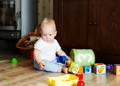
Conclusion: A Simple Way to Support Early Development
A sensory bag is simple, but it works. It gives your baby a safe way to explore, build coordination, and learn cause and effect, without the mess or stress.
That’s why sensory bags for babies are such a good starting point. They offer real developmental value while keeping things easy and manageable for you.
At the end of the day, good sensory play for babies doesn’t need to be complicated. Simple, safe, and thoughtful always wins.

Free Delivery
Over $80

Easy Returns
No questions asked

Unbeatable Warranty
1-year ++ warranty
 Secure CheckoutWorld’s most secure payment method